

Cold Chain Basics: How We Keep Fresh Produce Fresh Across Oceans
Pre-cooling, reefer set-points, ventilation, humidity — a plain-English explainer on the cold-chain decisions behind every Goti Exim shipment.
A great mango can be ruined by a bad reefer setting. That's why cold-chain planning starts long before the container is booked — it starts at harvest.
Step 1 — Pre-cooling
Produce is field-hot when picked. We drop core temperature at the pack-house using forced-air or hydro-cooling before palletising. Skipping this step is the #1 reason shipments arrive soft or over-ripe.
Step 2 — Reefer set-points
Every commodity has an ideal temperature. Mangoes travel best at 12°C, grapes at 0–1°C, pomegranates at 5°C, onions at 0–2°C. We share the exact set-point with the buyer and the shipping line in writing.
Step 3 — Ventilation & humidity
Fresh produce breathes. Reefers have adjustable vents to release CO₂ and ethylene. We set humidity at 85–95% depending on the crop to prevent shrinkage.
Step 4 — Monitoring
Every reefer sails with a temperature logger. On arrival, we share the full trip data with the buyer — full transparency, no surprises.
Interested in what you just read?
Talk to our export team — quick reply on WhatsApp.
More from the blog
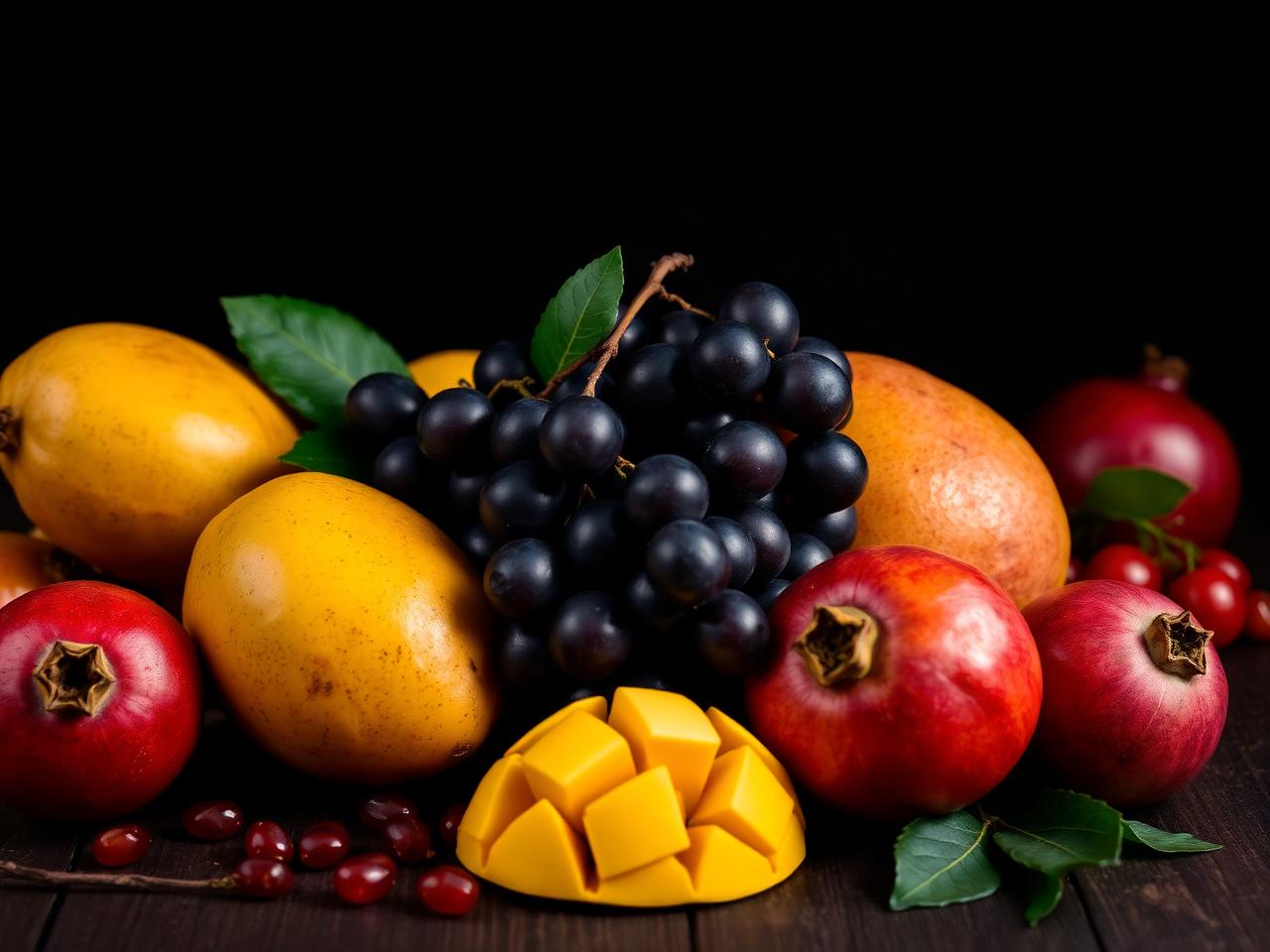
Why Indian Mangoes Rule Global Markets in 2026
From the buttery Alphonso to the honey-sweet Kesar, discover why buyers in the Gulf, EU and Southeast Asia keep coming back to Indian mango season after season.
Read full blog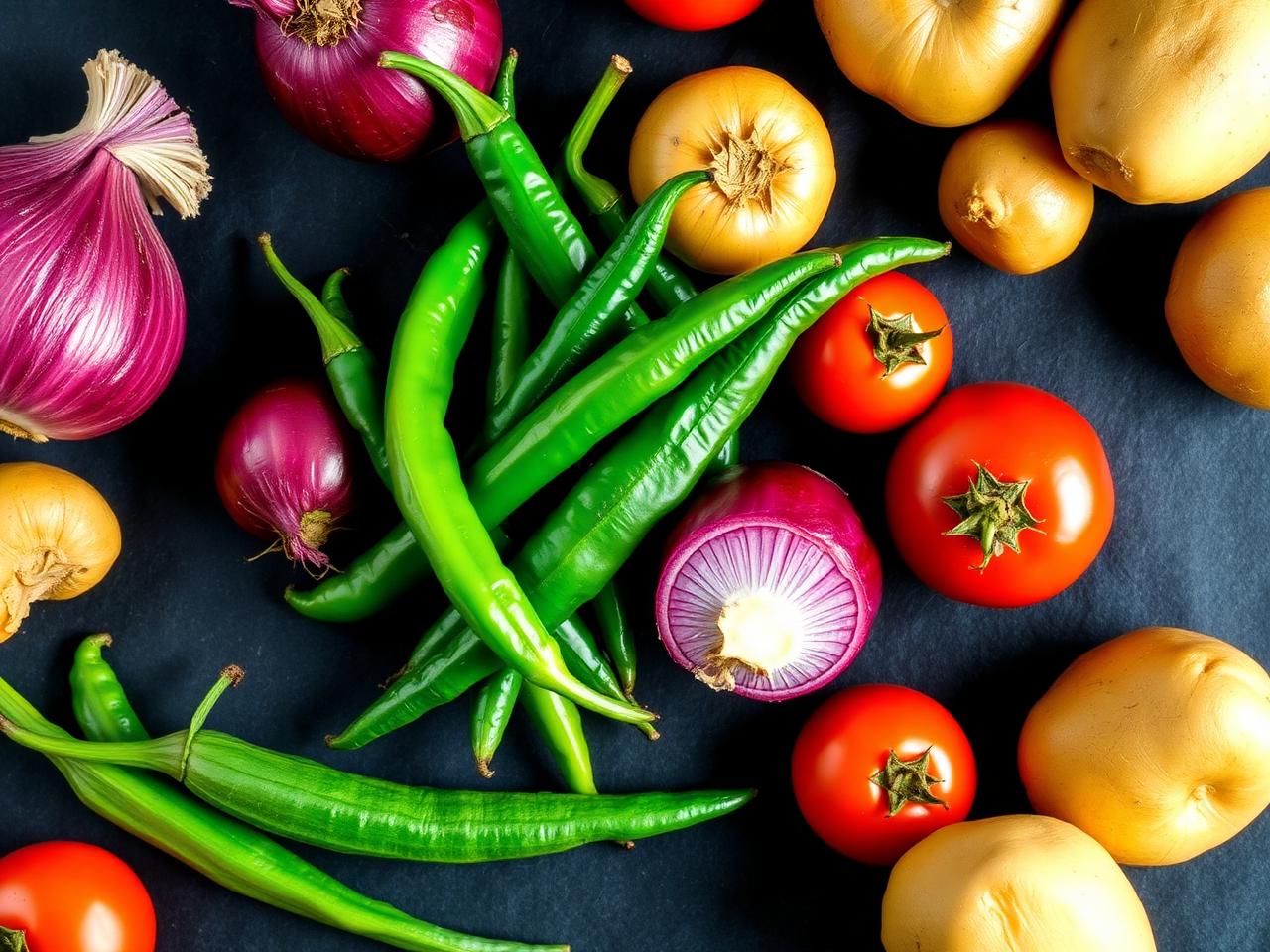
The Buyer's Guide to Sourcing Onions from India
Red, yellow, sizing, MOQ, packing, ports — everything a first-time importer needs to know before placing an Indian onion order.
Read full blog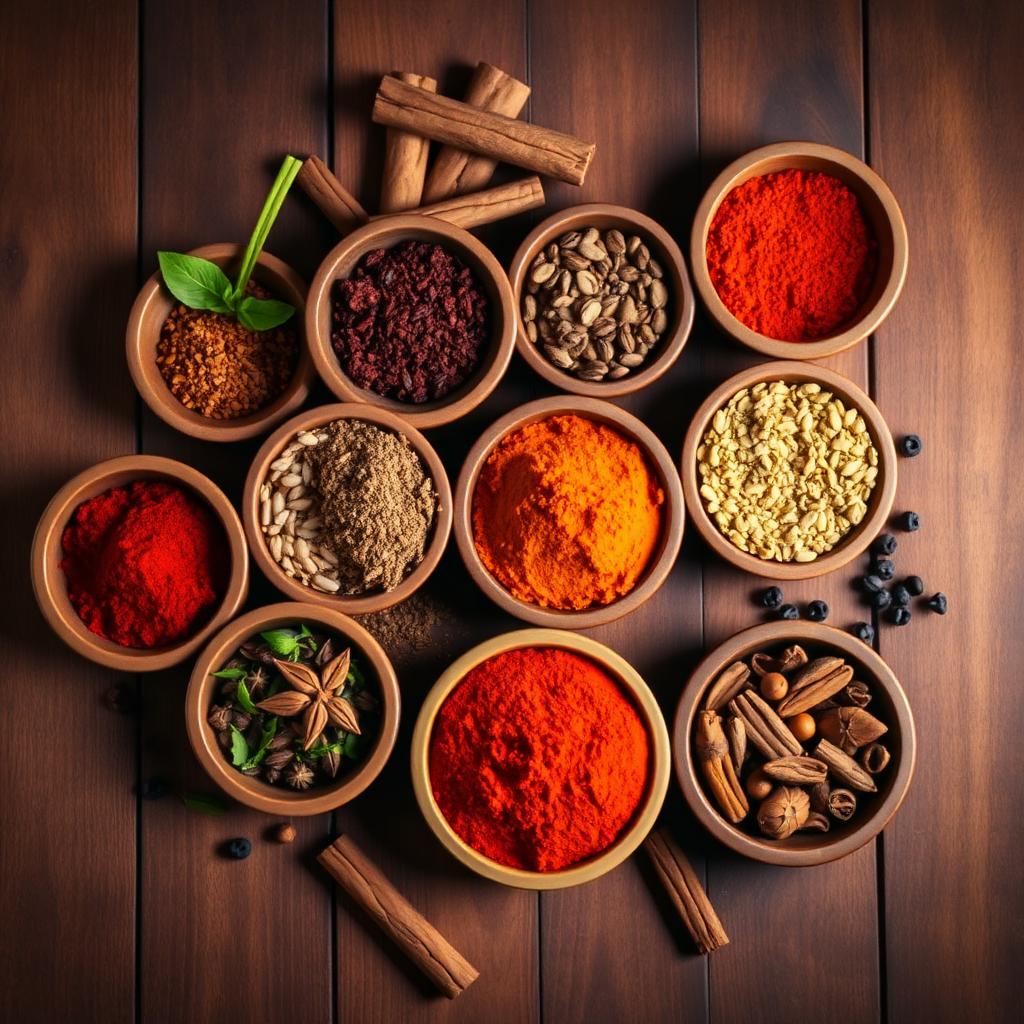
India's Spice Corridors: A Story of Flavour, Origin and Trust
From the pepper vines of Kerala to the chilli fields of Guntur, understand where your spices come from and why origin matters more than ever in 2026.
Read full blog